ML
1. The Technique of Layering and Pouring
This innovative painting method involves applying colors in multiple layers and carefully pouring them over the surface. The artist does not use brushes but instead relies on gravity, canvas movement, and the natural flow of the paint. This combination creates unique textures, dynamics, and expressive forms.
Step-by-Step Process:
-
Preparing the Surface:
Marek typically starts with a carefully prepared surface of previously ordered linen, such as a primed canvas, to ensure the paint spreads evenly. The surface can be flat or slightly tilted to control the direction of the paint flow. -
Selecting Colors and Materials:
Liquid acrylic paints, resin, or other pourable mediums are used, often diluted for easier pouring. Special additives may be mixed into the paint to adjust its viscosity, transparency, or drying speed. -
Layering the Paint:
Colors are poured directly onto the canvas in various layers, often using spatulas, cups, or syringes. Each layer may be poured separately or blended directly on the canvas, creating intriguing effects like gradients, swirls, or bubbles. -
Pouring and Manipulating:
The artist pours the paint onto specific areas of the canvas and then tilts, rotates, or even gently shakes the canvas to allow the colors to flow and mix naturally. This technique produces smooth transitions and organic patterns. -
Adding Details:
During the final stages, the artist may interact with the wet paint using other tools, such as sticks, knives, or air blowers, to create details, textures, or unique patterns. -
Drying and Layering:
Each layer of paint must dry thoroughly before adding the next. This process requires time and precision, as the drying phase influences the final texture and depth of the painting. Subsequent layers can add new dimensions and effects, such as transparent or semi-transparent layers that create an illusion of depth.
It takes time!
The Final Effect:
This method produces fascinating and unexpected patterns, often reminiscent of natural phenomena (like flowing water, marble textures, or clouds). In portrait art, this technique allows Marek to express the depth of emotions and dynamics of a face in an entirely new way. Fine lines and features emerge from the balance between controlled manipulation and the organic flow of the paint.
Why Marek Love This Technique ?
"For me, painting this way is pure freedom. Without brushes, I let movement, gravity, and instinct guide the colors — it feels alive, honest, unpredictable.
Each pour is a dialogue between emotion and chance. I never really control it — I just follow where the paint wants to go.
This is my signature. Large, flowing works where color, motion, and feeling merge into one. No brushes — just creativity."
This technique is the SIGNATURE STYLE of Marek's art.
For connoisseurs!
It can be used ONLY for bigger format of painting , minimum 80x100 cm.

2. The technique of Acrylic ink
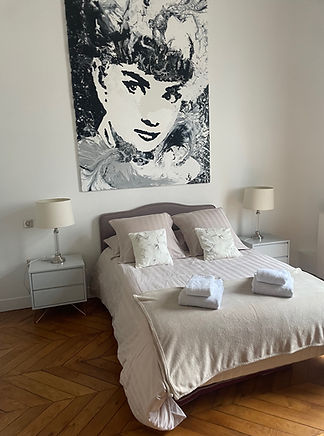
Acrylic ink portrait painting is a captivating technique that combines the fluidity of ink with the vibrancy and versatility of acrylic paint. It allows artists to create expressive, detailed, or abstract portraits with luminous colors and beautiful flow effects. Here’s a detailed breakdown of the technique:
What Is Acrylic Ink?
-
Acrylic ink is a highly pigmented, fluid acrylic paint in ink form.
-
It’s water-resistant when dry, lightfast, and compatible with other acrylic products.
-
It behaves like watercolor when wet, but with brighter colors, more control, and the ability to layer without reactivating previous layers.
Steps in Creating Acrylic Ink Portraits
1. Surface Preparation
-
Use smooth watercolor paper, illustration board, canvas, or synthetic paper (like Yupo).
-
Some artists apply a light sketch in pencil or a diluted ink wash as a guide.
2. Mapping the Portrait
-
Lightly draw or trace the main features (eyes, nose, mouth, head shape).
-
You can work from a photo reference or imagination.
3. First Ink Wash (Base Layer)
-
Apply diluted acrylic ink with a soft brush or dropper to map basic values (light and shadow areas).
-
Let the ink bleed and spread to create natural gradients and flowing transitions.
-
This gives the portrait a sense of softness, emotion, and spontaneity.
4. Layering and Detailing
-
Once dry, apply additional layers for depth, adding more detail to the features.
-
Use techniques like:
-
Dropping in color while wet to create blends.
-
Dry layering to build contrast and sharpen edges.
-
Lifting (with a wet brush or tissue) to create highlights.
-
5. Enhancing Expression
-
Acrylic ink is great for expressive marks—flicks, drips, and fluid strokes that enhance mood.
-
Artists often combine controlled detail (eyes, lips) with loose, abstract surroundings to draw attention and emotion.
6. Optional Mixed Media
-
Combine with:
-
Colored pencils or pastels for texture.
-
White ink or gel pen for highlights.
-
Collage elements or stencils for background depth.
-
7. Sealing and Finishing
-
Once completely dry, you can seal the portrait with acrylic varnish to protect it and enhance color vibrancy.
Why Marek Love This Technique ?
-
Emotional: The flowing ink adds a natural rhythm and softness to facial features.
-
Unique Textures: Drips, runs, and washes create effects that are hard to replicate with regular paint.
-
Fast-drying: Great for layering quickly.
And most important: can be used on smaller format 50x70 cm sometimes more suitable on the smaller wall and with more affordable price!


3. The Technique of Watercolor
What Is Aquarelle (Watercolor)?
• Aquarelle is the French term for watercolor painting.
• It uses transparent pigments suspended in water, allowing light to reflect through the layers and create a luminous effect.
• Unlike acrylic or oil, watercolor cannot be easily corrected, making planning and control essential, but also encouraging expressive spontaneity.
Steps in Creating a Watercolor (Aquarelle) Portrait
1. Choosing the Right Paper and Materials
• Use high-quality watercolor paper (100% cotton, cold-pressed or hot-pressed).
• Choose fine brushes that hold water well and lightfast watercolor paints for longevity.
• Optional: masking fluid to preserve white areas (like highlights in the eyes).
2. Sketching the Portrait
• Lightly sketch the facial features with a pencil or watercolor pencil.
• Keep lines subtle so they won’t dominate the final painting.
• Make sure proportions and placement are correct since changes are difficult later on.
3. First Wash – Establishing Skin Tone and Light Areas
• Mix a very diluted color wash for the base skin tone.
• Use a wet-on-wet technique (applying paint on damp paper) to create soft transitions in the face.
• Keep highlights untouched—these are the white of the paper shining through.
4. Building the Form with Layers
• Once dry, add more defined shadows and shapes using wet-on-dry technique (paint on dry paper) for control.
• Work in layers (glazing): each transparent layer adds depth without covering the one below.
• Use cool colors (blues, purples) for shadows and warm tones (oranges, reds) for areas with warmth (like cheeks, nose, lips).
5. Defining Facial Features
• Eyes, eyebrows, lips, and hair are added in more detail, usually after the skin tone is established.
• Use controlled brushstrokes to maintain precision while still keeping a painterly, expressive feel.
• Leave edges soft where needed, or use harder lines to bring attention to focal areas like the eyes.
6. Adding Emotion and Texture
• Use the natural flow of water to express emotion—for example, flowing hair, soft expressions, or dramatic backgrounds.
• You can use splattering, lifting (with a dry brush or paper towel), and salt to create texture.
• Some artists add abstract washes or blooms in the background to contrast with the realism of the face.
7. Final Touches
• Add the deepest shadows and highlights at the end.
• Some artists use white gouache or gel pen for highlights if necessary (though traditional watercolor avoids opaque white).
• Sign the work and, once dry, frame behind glass to protect it (since watercolor remains water-soluble).
Why Marek Love This Technique ?
• Translucency: Gives portraits a luminous, glowing quality.
• Softness and Subtlety: Perfect for capturing delicate features, light, and emotion.
• Expressiveness: Fluid brushstrokes and natural blends can evoke powerful mood and movement.
• Lightweight and Minimalist: Great for elegant, modern presentation.
This technique lends itself to smaller formats (around 35 x 25 cm), making it ideal for collectors who wish to bring Marek’s art into their homes more often.

